


When the World Cup Had to Wait: What a Weather Delay Reveals About Purpose and Decisions Under Pressure

The News
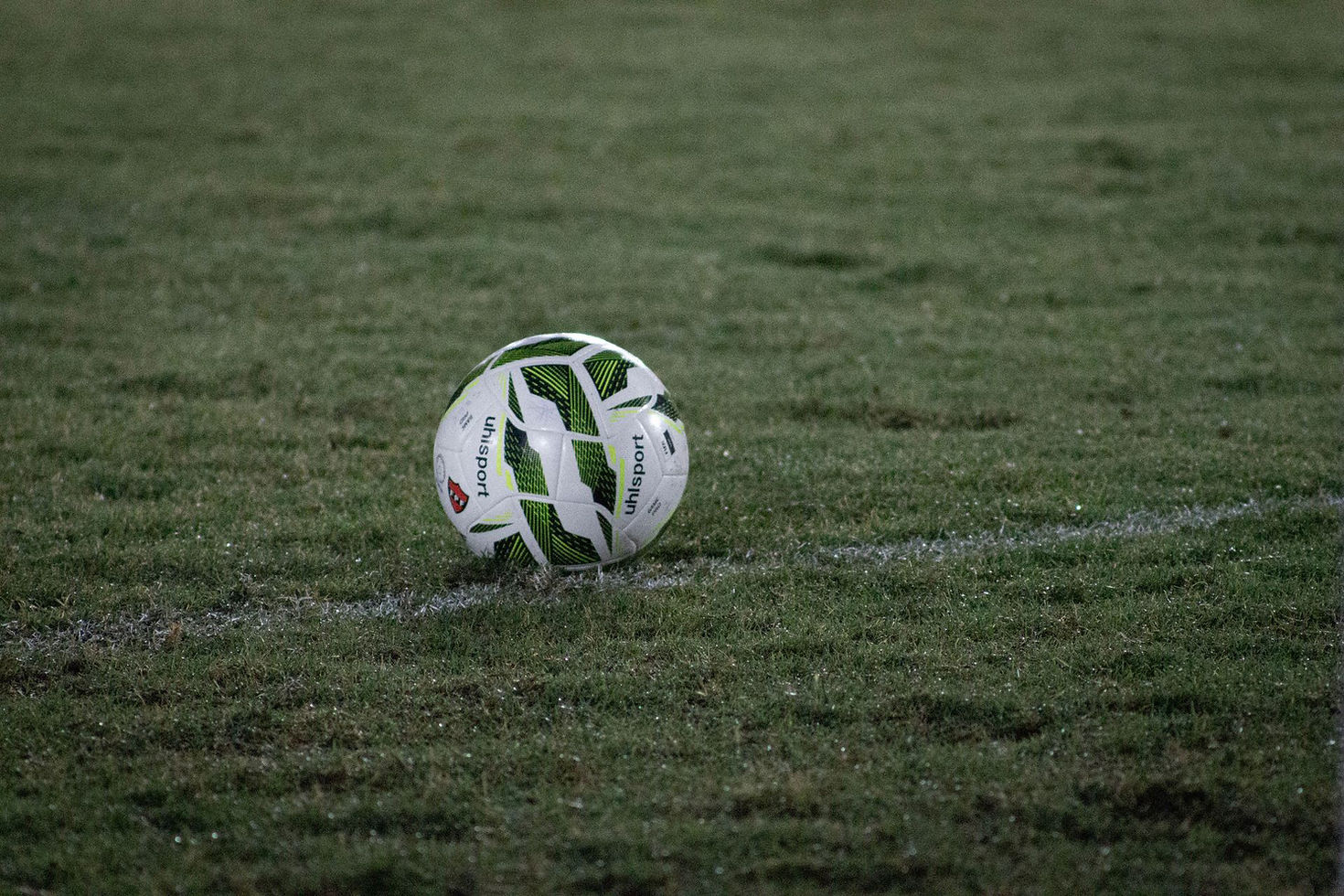
The 2026 World Cup faced an unexpected test when the France vs. Iraq match in Philadelphia was paused at halftime because of severe weather.
Heavy rain, thunderstorms, and lightning forced officials to delay the match for more than two hours. Fans were moved away from exposed areas, players waited, and organizers followed safety protocols before allowing the game to resume. France eventually returned to the field and won 3-0.
The moment also highlighted the rules behind those decisions. Weather protocols are designed to guide officials when pressure is high, including when lightning creates potential safety concerns.
On one of the world’s biggest stages, the question became bigger than when the game would restart.
It became a question of how decisions are made when the stakes are high.
Navigating With Purpose
Big moments reveal more than outcomes.
They reveal decision-making.
When millions are watching, momentum is building, and expectations are high, it can be tempting to focus on moving forward at all costs.
Keep playing.
Stay on schedule.
Avoid disruption.
But purpose-driven decisions often require asking a deeper question:
Not just, “What do we want to happen?”
But, “What matters most right now?”
The World Cup delay was a reminder that strong decisions are not only made in calm moments. They are often tested in uncertain ones.
A clear sense of purpose, values, and principles helps guide choices when the path forward is not obvious.
Purpose in Practice
Values Revealed: Safety, Responsibility, Trust
Values help us identify what matters.
In this moment, leaders had to weigh competing priorities:
The athletes ready to compete.
The fans waiting to watch.
The schedule of a global tournament.
The responsibility to keep people safe.
The decision reflected a value choice: people before the plan.
Principles in Practice: How Do We Make
Decisions When the Pressure Is On?
Some principles this moment invites us to consider:
Clarity: The hardest decisions become easier when we know what we are optimizing for.
Long-Term Thinking: The right choice is not always the fastest choice.
Responsibility: Leadership means owning decisions, especially when they inconvenience others.
Preparation: Principles established before a crisis help guide action during a crisis.
Because the hardest time to decide what matters is often when everyone is waiting for your answer.
Compass Conversations
Most of us will never make a decision in front of a stadium full of fans or a worldwide audience.
But we all face moments when the pressure rises.
A career decision.
A family choice.
A leadership challenge.
A moment when the easy answer and the right answer may not be the same.
Those moments reveal the compass we are using.
Because purpose is not only what we believe.
It is what guides us when a decision has to be made.
Compass Check 🧭
When pressure is high and the answer is unclear, what principles guide how you decide what comes next?


Comments