


Trump Deploys ICE to Airports Amid Shutdown, Exposing a Values Clash Over Security, Trust, and Competence
- Purposeful News

- Mar 23
- 3 min read
A new move by the Trump administration is raising urgent questions about more than just travel delays.
Amid a prolonged Department of Homeland Security shutdown, the White House announced it will deploy Immigration and Customs Enforcement (ICE) agents to U.S. airports to support overwhelmed TSA workers, many of whom have gone weeks without pay.
On the surface, this is a logistical fix to a staffing crisis. But beneath the headlines, this moment exposes a deeper tension, one rooted in values, and how those values show up when systems are under pressure.
A system under strain
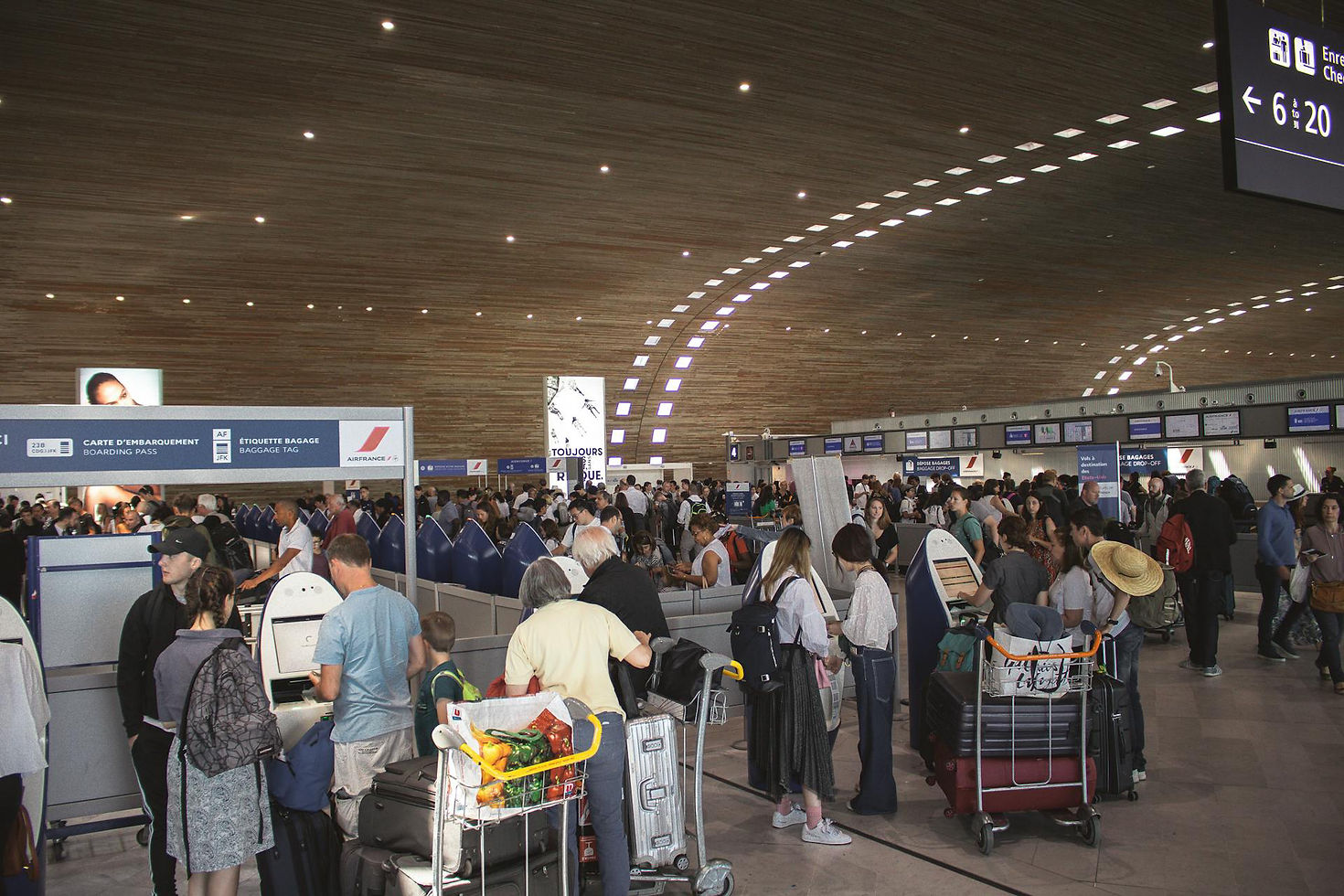
Airport lines are stretching for hours. In some locations, TSA absentee rates have surged as workers struggle financially without paychecks.
In response, ICE agents are being brought in to assist with crowd control and support roles, though not full passenger screening.
Critics, including unions and security experts, warn that these agents lack the specialized training required for aviation security, raising concerns about both effectiveness and safety.
Meanwhile, political leaders remain locked in a standoff over immigration policy and DHS funding, leaving frontline workers and travelers caught in the middle.
What emerges is not just a travel disruption, but a visible fracture in how institutions function under pressure.
The values at the center
This story is not just about policy. It is about competing values playing out in real time.
Security vs. competence
Is it better to act quickly with available resources, or to ensure only fully trained professionals handle sensitive roles?
Authority vs. trust
What happens when an enforcement agency is placed into everyday public spaces where trust and cooperation matter most?
Short-term fixes vs. long-term solutions
Does deploying ICE agents solve the problem, or simply manage the symptoms of a deeper breakdown?
Responsibility vs. accountability
In a political standoff, who is responsible when systems fail, and who carries the burden?
Legitimacy vs. utility
For some, the question goes deeper, should an agency that is already controversial be used at all in new roles, even during a crisis?
A deeper divide: should ICE be there at all?
For some critics, this is not just about how ICE is being used. It is about whether ICE should be part of everyday public life in the first place.
They argue that the agency’s history and mission make its presence in airports feel inappropriate, even if its role is limited to support functions.
Airports are typically seen as neutral spaces focused on travel and safety, not immigration enforcement. Bringing ICE into that environment, critics say, risks blurring that line and changing how people experience a routine public setting.
There are also concerns about trust.
Even if officials say ICE agents will not conduct immigration enforcement in airports, some travelers, especially those in immigrant or mixed-status families, may not feel confident that distinction will hold. The presence alone can shift the atmosphere from routine to uncertain.
Others raise a broader principle.
When agencies expand into new roles during crises, does that create a temporary solution, or a lasting precedent? And what does that signal about the appropriate limits of government power?
Why this moment matters
Airports are one of the few places where Americans directly experience government systems in action.
When those systems falter, it becomes personal.
This moment reveals how quickly confidence can erode when:
workers are unsupported
institutions appear reactive rather than prepared
and solutions feel improvised instead of intentional
It also surfaces a deeper divide:
Not everyone agrees on what “security” should look like, or what trade-offs are acceptable to achieve it.
And that is what makes this more than a policy story.
It is a reflection of how differently people define safety, trust, and the proper role of government in everyday life.
Dinner Table Talk
When systems break down, what matters more, speed or trust?
Does who delivers security matter as much as the security itself?
Where should we draw the line on how government power shows up in everyday spaces?
Compass Check
Does who delivers safety matter as much as the safety itself?
Check the headlines, then check your compass.
Source


Comments